Browsing Tag

National Pet Dental Health Month

How to Improve Your Pet’s Dental Health with Their Food – Petcurean

February is National Pet Dental Health month. Which means, I couldn’t let too much time go by without at least briefly discussing Pet Dental Health!

Today, I am teaming up with Petcurean to share with you how choosing your pet’s food can affect their overall dental health.

Now, any veterinary professional will most certainly want me to reiterate that brushing your pet’s teeth is the #1 way that you can improve your pet’s dental health. However, many pet parents already brush their pet’s teeth, and are likely interested in additional ways that they can improve their pet’s dental health.

If you aren’t already aware, Pet Dental Health is imperative to your pet’s overall health and is wisely summed up in this quote from Petcurean:

Similar to humans, poor dental hygiene causes bad breath, plaque, tartar, gingivitis, periodontitis, and tooth root abscesses in dogs. At its worst, bad dental health can contribute to more serious health issues. Inflamed gums, for example, can cause bacterial infections that can affect organs such as the heart and kidneys with extreme cases being fatal.

Petcurean recently released a new brand of food specifically designed to help small dogs with poor dental health. Why small dogs? Well, generally speaking small dogs are more prone to dental disease.

[I]f you’re thinking of adopting a small breed, be prepared for more trips to the vet. With small breeds—generally anyone shorter than knee height—periodontal disease is a huge problem, says Dr. Donnell Hansen, a veterinarian with BluePearl Veterinary Partners in Blaine, Minnesota.

I know all my fellow Corgi Pet Parents out there are wondering; “Does this ‘small breed’ definition count for Corgis too?”. I have always thought of Corgis as “medium dogs with half the leg length”, which would actually mean that they aren’t as prone to periodontal disease as small dogs, but they certainly aren’t immune to dental health problems. According to the AKC:

“Small and large dogs differ in the type of dental disease they can encounter. Small dogs are especially prone to tartar formation, gum recession, and eventual loss of teeth… In contrast, large dogs are more likely to suffer from a fractured tooth from aggressive chewing. If the fracture exposes the interior of the tooth (the pulp cavity), infection travels down the tooth to its root, causing an abscess and loss of the tooth.”

Some of the research I read claimed that Corgis were prone to dental health disease, other articles didn’t include them on the list as one of the top breeds with dental problems. Regardless, we Corgi parents want to do everything we can to improve our dog’s dental health! If you still aren’t sure of the importance of dental health, perhaps this case study from VetWest Animal Hospitals can persuade you!

If Your a Pet Parent of a Small Dog (Defined as <25lbs by feeding Guidelines)

One of the ways your can improve your pet’s dental health is by changing to a food that supports pet dental health! If you are the pet parent of a small breed dog, the new Petcurean NOW FRESH Small Breed recipes are formulated with ingredients that help support oral health and fresh breath, including sodium tripolyphosphate, which binds calcium to protect teeth from tartar formation. Peppermint and parsley are also included as natural ingredients to promote fresh breath. In addition, the small clover-shaped kibble is one of the smallest in the market, contributing to high palatability, easy chewing, and effective digestion.
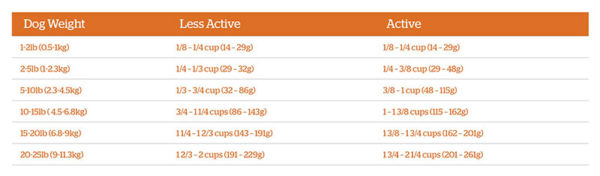
Every My Kid Has Paws reader can enjoy a $5 off coupon to try any Petcurean recipe using coupon code PAWSOME8 which can be redeemed at Petcurean.com/pawsome!

I wouldn’t classify Rooney as a small breed dog. Not only because I think he is a medium dog with short legs, but also because Rooney is 30lbs and lives and behaves much more like a medium dog, therefore, he wouldn’t necessarily benefit from small kibble.

If you are interested in reading more about Pet Dental Health, don’t forget to check out some of our top pet dental health articles here:

What You NEED to Know About Pet Dental Health – Interview with Dr. Burr from Trupanion

Why Do Dog Dentals Cost So Much?

February Challenge! 20 Days of Dental Health #MKHPFebruaryChallenge

Why Shouldn’t My Pet Have a Gentle Dental?

Disclaimer: I am a Petcurean blogger. I was provided with food and compensation so that Rooney and I could provide our honest opinion. However, Petcurean is the food we feed Rooney every day. My Kid Has Paws only shares reviews we believe benefit our readers.
Why Do Dog Dentals Cost So Much?

While working at the veterinary hospital, I went over an endless number of estimates with our clients. My goal was to make sure that everyone understood the healthcare and treatment they were purchasing for their pet. I felt that if I could help people understand the costs and how they relate to their pet’s overall care, I could help them better understand not only why their pet needed the treatment, but also, why certain treatments were priced at a specific level.

If you read pet blogs at all, you are probably very aware that February is National Pet Dental Health month. This year, instead of talking about the importance of pet dental health like I have in the past, I thought I would take the time to explain some significant variables in the costs of a dog dental.

Firstly, when you visit your vet’s office for your dog’s annual exam, you vet should always examine your dog’s teeth. When looking at their teeth, they are evaluating the health of your dog’s gums, as well as the level of plaque on their teeth. Specifically, they are looking for any areas that might be causing your dog some pain and discomfort.

Periodontal disease is usually under-treated, and may cause multiple problems in the oral cavity and may be associated with damage to internal organs in some patients as they age.” – American Veterinary Dental College

Many veterinarians recommend annual dentals when they see periodontal disease becoming a regular problem in your dog’s overall health. However, most veterinarians will urge you to schedule a dental soon if they feel the level of periodontal disease has increased to a point where your dog is experiencing sensitivity and probably some pain (not to mention the level of plaque that could be on their heart). No matter the circumstance, you always have a right to request an estimate from your veterinarian regarding the costs of the dental. Some pet parents experience a bit of price tag shock when they receive the estimate. Let’s breakdown a few reasons for the costs, fluctuation, and variability in your dental estimate.

Anesthesia

Time and time again, we would hear at the veterinary hospital, “How could a dental cost this much? I saw a dental available at my pet store for $150!”. (Just to give you an idea; the costs of a dental with anesthesia in the Bay Area would be around $400-$600). What most pet parents don’t know is that a $150 dental is called a “gentle dental”. Which means that your dog is not anesthetized during the procedure. I thoroughly outline the reasons I believe your pet shouldn’t have a gentle dental here.

So what you are paying for when you schedule a dental at your veterinarian’s office is a dental with anesthisia that will allow the doctor and technicians to properly and thoroughly clean your dog’s teeth and make sure that all plaque is removed from the teeth and under the gum line.

Pre-anesthetic bloodwork

Anesthesia is not something to mess around with. I would never encourage a pet parent to pursue a surgery lightly, and nor should your veterinarian. That’s why, many veterinarians recommend pre-anesthetic bloodwork prior to any anesthetic procedure. This bloodwork will reassure your veterinarian that your dog’s kidneys and liver are functioning properly (i.e. they can filter the anesthesia through the body without causing problems), and let your veterinarian know that there aren’t any abnormalities that would increase the risks associated with anesthesia.

So, if you have your dental estimate in front of you, you might see a line item for pre-anesthetic bloodwork if your pet hasn’t had any bloodwork recently. This line item is important, and a necessary cost in my opinion for any anesthetic procedure.

Surgical Time

Surgical time is probably one of the biggest variables in a dental estimate. Actually, it might not be included if your veterinarian doesn’t believe that your dog needs to have teeth surgically removed. However, if your dog’s periodontal disease is severe, they might need to have some teeth removed. Properly removing teeth from your dog’s mouth is a surgical procedure and requires a significant amount of the veterinarian’s time. Sometimes this time could be upwards of an hour. On the estimates we provided, we would include the minimum time we believed the doctor would need to remove the teeth on the low side, and the maximum time on the high side (we deterimined this based on the severity of the disease and the number of teeth affected).

Dental X-rays

If you dog has teeth removed, they will need dental x-rays. Why? Because the x-rays provide your veterinarian will a clean picture of the health of the roots, which can help your dog keep teeth that looked bad, but had healthy roots. And, it will provide your veterinarian with the reassurance that they removed all of the root if the teeth were indeed extracted.

Dental radiographs are required to correctly diagnose and assist in treatment of patients with extensive disease.” – American Veterinary Dental College

Why is it important that the whole root is removed?

Because roots that are left behind often cause reoccurring problems, possibly infections, that can cause your pet to have another dental (meaning, another anesthetic procedure) to remove the root.

Frankly, I wouldn’t have my dog get a dental somewhere where they didn’t have dental x-ray. It’s simply not thorough.

Weight of Your Dog

If you have ever purchased a medication for your dog, your may have realized that the larger your dog is, the more expensive their medications will be. Your dog’s weight will also play a role in the cost of their pre-op medications, anesthesia, and post-op medications.

Severity of the Periodontal Disease

The more severe your dog’s periodontal disease, the more treatment they will need, which can increase the costs of all of the previously listed variables. To avoid some of these cost increases, you can do the following:

  • Brush your dog’s teeth regularly (If your dog hates brushing, Carol from Fidose of Reality has some other suggestions)
  • Take your dog to their annual exam. Your veterinarian will be able to advise you regarding your dog’s periodontal disease before it becomes too severe.
  • Explore additional preventatives with your veterinarian like supplements or water additives.

In summary, I highly recommend dentals as part of your dog’s overall healthcare. However, I would encourage every pet parent to fully understand what they are paying for and how it affects their pet’s health before scheduling a dental!

I hope you found this information helpful! Has your dog had a dental? Were the costs what you expected?

What is a Pet Dental and Why is it Important?

MVMDentals

Carol Bryant from Fidose of Reality and myself, have decided to bring together our experiences in order to give you two sides to the same story. If you missed our inaugural post of Medicine versus Mom, you can check it out here.

 If you aren’t familiar with Carol Bryant, she is a good friend and fellow pet blogger. She is the founder and CEO of Fidose of Reality. If you haven’t checked out her blog, you really should! As a seasoned blogger and writer she brings her dedicated pet parent perspective to share will all “Dog Lovers of the Highest Order”. Her posts are always a must read for me, and for any other pet parent out there. As we progress through our Medicine versus Mom series, I hope to share with you even more reasons why Carol is awesome! 

MedicineVsMom

In case you haven’t heard, February is National Pet Dental Health Month.

Pet parents are told time and time again that Pet Dental Health is important. I mean, an entire month is dedicated to it, right?  Today, I want us to understand why pet dental health is important and what a pet dental entails.

What can dental plaque do to your pet’s health?

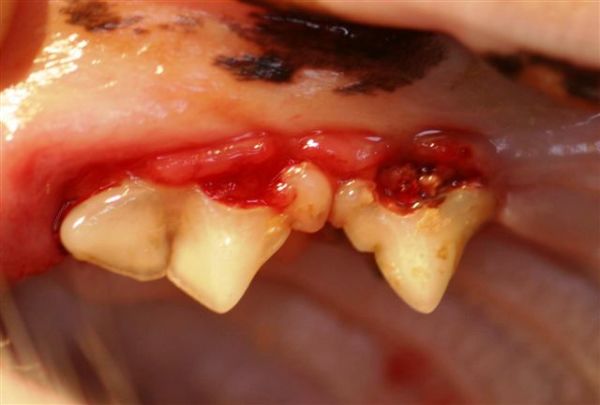
When a pet’s dental health has gotten to the point where they have oral lesions, as seen below, bacteria can get into their blood stream through these oral legions. This is referred to as bacteremia (PetMD).

petdentallesions

Photo Courtesy of www.mypetdentist.com

Is this just a regular bacterial infection? No.

Bacteria in the blood stream can lead to bacterial endocarditis, which is where the bacteria have reproduced and settled in the lining of your pet’s heart or heart valves. Often, this results directly in kidney damage and joint problems, that all started in the mouth (PetMD).

If my pet’s veterinarian has recommended a dental, what can I expect?

First, it is important to understand the severity of your pet’s dental disease.

If your pet is seen by their veterinarian for their annual check up every year, and this is the first time that your vet has mentioned your pet’s dental health, this will probably be a routine cleaning procedure that will take care of the initial signs of dental issues, and serve as a preventative for future issues. Take it from someone who just had two route canals (because I missed an annual dental cleanings) they are important!

If your pet hasn’t been seen by their veterinarian regularly, and they mention that your pet is in dire need of a dental, this may include an extensive cleaning and possibly some extractions.

Regardless of severity, your pet will need to have some pre-anesthetic bloodwork, to ensure that they are healthy enough for anesthesia.

Once your pet’s dental procedure has been scheduled, you will need to drop your pet off in the morning on an empty stomach, and you will pick them up in the evening post-op.

Is my veterinarian the right veterinarian to trust for this procedure?

I have worked for a handful of veterinarians and I must say there are a few things a veterinarian should have in order for me to trust them to perform a dental procedure:

They should require pre-anesthetic bloodwork: this is paramount to determining if your pet is healthy enough for anesthesia. I have seen patients get their surgeries delayed because their bloodwork indicated that their liver or kidneys were not healthy enough to process the anesthesia. The pre-anesthetic bloodwork and the decision to delay the procedure, may have saved their life.

They should have a dental x-ray machine: dental x-ray allows your veterinarian to see if the roots are healthy enough for the tooth to remain, and also ensures that they have removed all of the root when a tooth has been extracted. Extracting teeth that don’t need to be extracted will cause you to pay for needless treatments, not to mention, your pet enduring more procedures than necessary. Additionally, roots that are left behind from extractions can cause serious problems for your pet’s dental health in the long run.

What happens during a dental procedure?

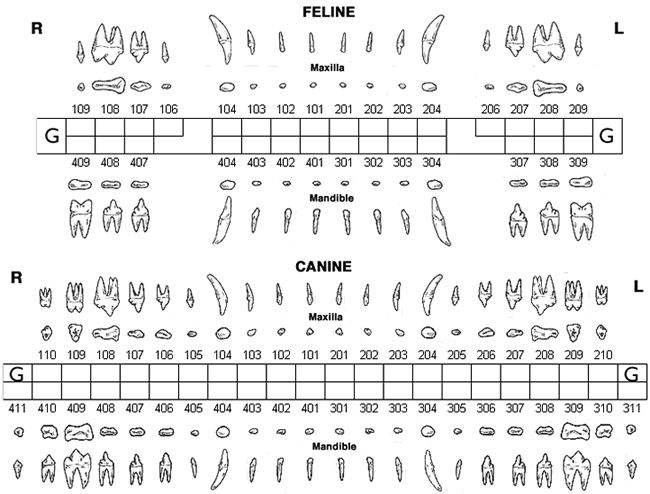
Once the patient is safely anesthetized, we begin to examine their teeth. We take note of fractures, chips, missing teeth, crowded teeth, severity of calculus (plaque), etc. We document all of the pertinent information regarding the health of the teeth on a chart like the one seen below. It is important that all information is documented for future health issues and dentals.

Photo Courtesty of www.dentalvet.com

Photo Courtesty of www.dentalvet.com

After we have documented the teeth, we begin cleaning (some technicians prefer to do this simultaneously). We clean the teeth with an ultrasonic scaler that allows us to clean the surface of the teeth without scratching or damaging the enamel. Additionally, we are able to clean plaque from under the gum line using the ultrasonic scaler.

Ultrasonic scaler photo courtesy of www.dentalvet.com

Ultrasonic scaler photo courtesy of www.dentalvet.com

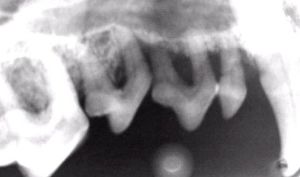
After the teeth are cleaned, we determine if any of the teeth need to be extracted. Any tooth whose health is in question, is x-rayed. The below is a dental x-ray which provides an example of bone loss.

Dental X-ray: example of bone loss. Photo courtesy of www.dentalvet.com

Dental X-ray: example of bone loss. Photo courtesy of www.dentalvet.com

If it is determined that no teeth need to be extracted, we proceed with polishing the teeth. The fluoride polish hardens the outer layer of the tooth, helps decrease sensitivity, and reduce plaque (AVDS). After the teeth have been polished, we update out dental chart to note any other findings, and extracted teeth. Then, we wake the patient up from anesthesia.

Throughout the procedure, there is a technician monitoring heart rate, respiratory rate, blood pressure, refill capillary time, temperature, IV fluid rate, iso levels, oxygen levels, time under anesthesia, etc. While waking up from anesthesia, your pet is monitored until their are awake enough to swallow on their own, and show signs of responsiveness. Then they are repeatedly checked on and monitored throughout the rest of their day at the hospital.

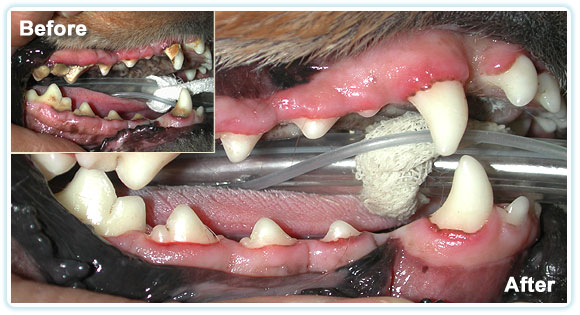
When your pet’s dental procedure is complete, their teeth should look like this:

Photo courtesy of http://wilmingtonanimalhospital.com

Photo courtesy of http://wilmingtonanimalhospital.com

For tips on how to care for your pet’s teeth to prevent the need for dentals, please visit Carol’s Mom perspective post here.

Top